A reading chair starts with the person sitting in it
A chair can look perfectly proportioned in a room and still feel wrong for the person who uses it. Before choosing a reading chair, think about posture, reach and the length of time you hope to spend there.
Try the position you use
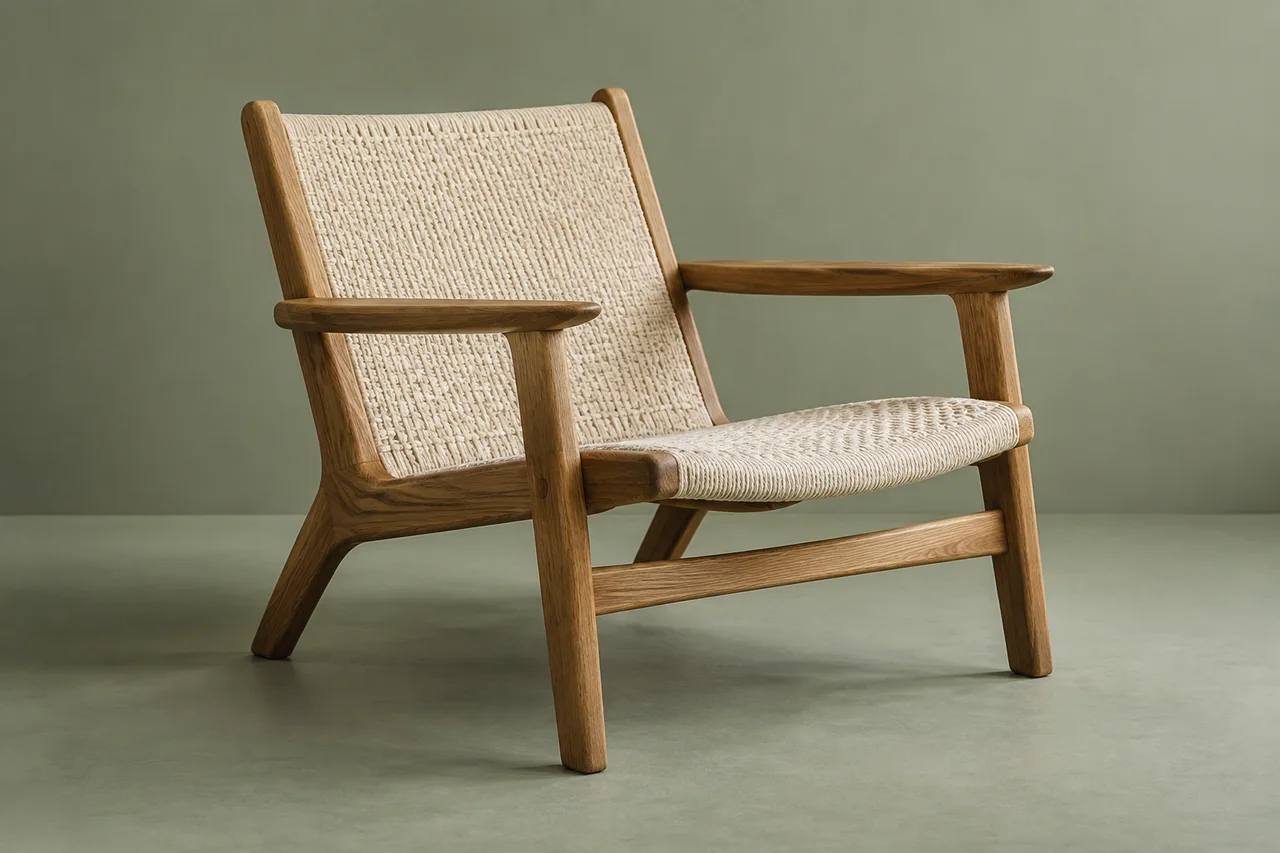
If possible, sit in the chair with a book rather than testing it for only a moment. Notice seat depth, arm height and how easily you can get in and out. Different bodies need different support. A photograph and a list of dimensions can narrow a choice, but they cannot fully describe comfort.
Consider the surrounding space
Allow room for a side table, a light and the route through the room. Check how the chair will move through doors and stairs before delivery. A footstool may improve one arrangement and obstruct another. Mark the footprint on the floor so you can judge the relationship to nearby furniture before committing.
Ask about care and repair
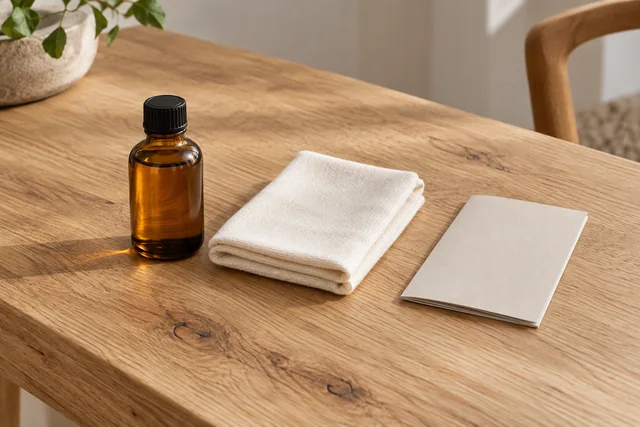
Review upholstery, finish and maintenance requirements alongside colour. Ask which parts can be repaired or replaced and keep the maker’s instructions. A reading chair is likely to become a familiar daily object, so practical longevity matters. Ask how replacement fabric or components are sourced and whether the construction allows future work. A chair you understand how to maintain is easier to make part of a room for the long term.