How wood changes the feeling of a room
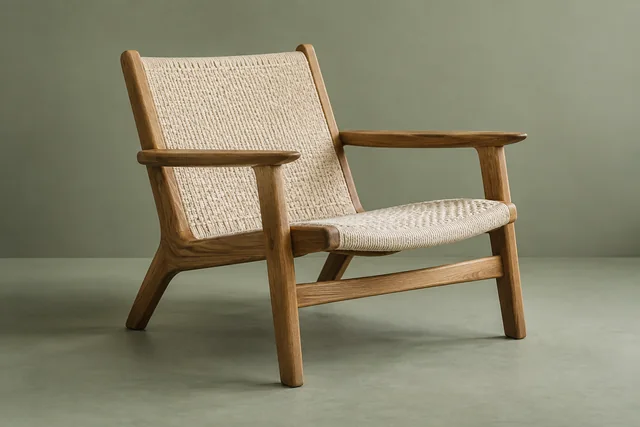
Wood brings grain, tone and variation into a room, but it is not a single visual category. A pale open-grained surface and a dark fine-grained one can create very different relationships with light and surrounding materials.
Look at a larger sample
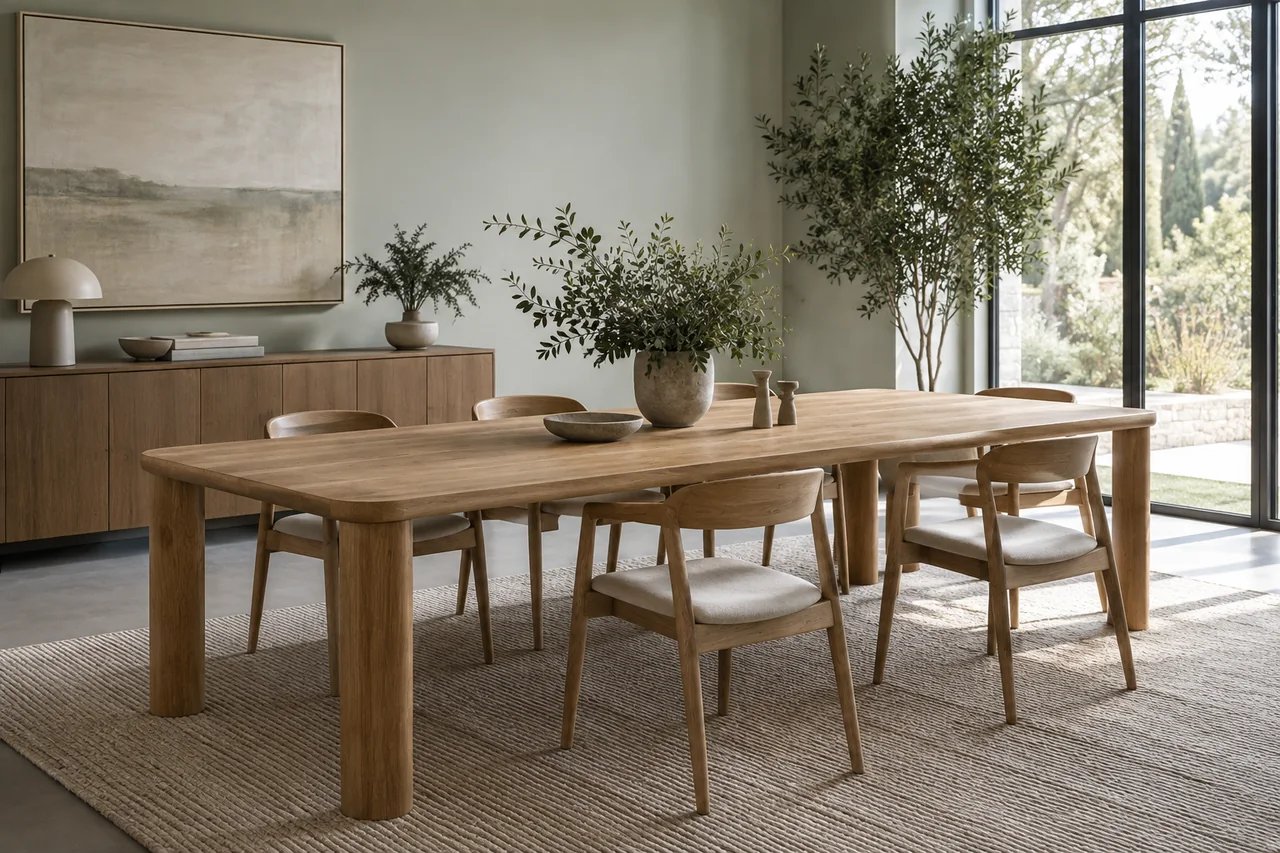
A small swatch can hide the range of grain and colour that appears across a table or cabinet. Ask to see representative examples and understand what variation is expected. Compare the sample with existing floors and furniture in the room. The question is not whether every wood matches, but whether the differences feel intentional.
Understand the finish
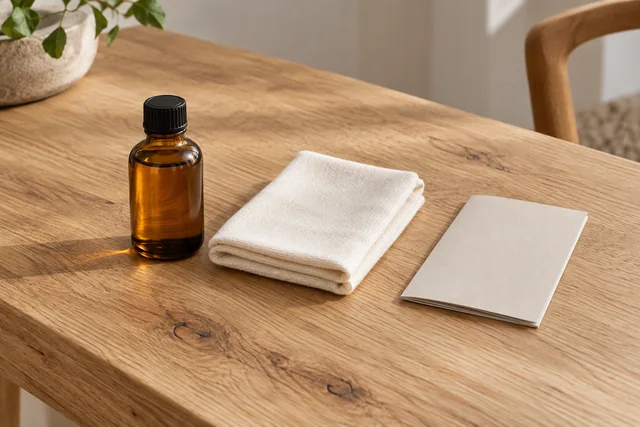
Oil, lacquer and other finishes affect appearance, touch and care. Read the actual product guidance rather than assuming a natural-looking surface is untreated. Consider how the piece will be used: dining, working and display create different demands. The finish should suit the routine as well as the photograph.
Allow the material a life
Light, use and maintenance may change a wooden surface over time. Ask the maker what to expect and how to care for it without damaging the finish. Keep hot or wet objects protected according to the instructions supplied. A considered choice includes the way the piece will age, not only the colour it has on the day it arrives.